

.svg)
The Digital Classroom Advantage: Elevating Education Through Multi-Media Learning
September 18, 2026

The digital classroom is a technology-enabled learning environment that integrates hardware, software, and the internet to enhance instruction. Seamlessly shifting pedagogy from traditional static materials to more interactive, student-centered, and personalised learning experiences.
This shift points to a broader evolution into a digital learning environment that adapts to both educators and students. Learning extends beyond the confines of scheduled sessions, as lessons can be recorded, reviewed, and expanded upon through collaborative activities, allowing students to engage with content at their own pace.
This transition represents a subtle yet significant change. It is not merely about enhancing convenience; it facilitates continuous learning, with concepts introduced, revisited, and reinforced across various formats. Over time, this fosters a rhythm that feels less restrictive and more aligned with the way individuals absorb and retain information.
In many classrooms today, media has moved well beyond its supporting role. It now shapes the introduction, exploration, and understanding of ideas, particularly when concepts benefit from visual representation alongside explanation.
Within a digitally-enabled classroom, educators can utilise video demonstrations, layered visuals, and real-time annotations to guide students through a topic with greater clarity. Processes that once demanded lengthy explanations can now be broken down visually, step by step, with the flexibility to pause, revisit, or focus on specific moments as required.
This is where media-based education proves particularly effective. Research has shown that people often learn more effectively through a combination of visual, auditory, and interactive input, rather than through a single mode of instruction alone. When these elements are brought together intentionally, lessons become more tangible and complex ideas easier to grasp and retain.
The dynamic of a lesson shifts noticeably when students are able to respond in real time, rather than waiting until the end. Interaction becomes integral to the learning process, rather than an afterthought, fostering more meaningful engagement.
In digitally supported environments, tools such as live polls, shared annotations, and collaborative workspaces enable students to interact with content as it is presented. Instead of passively following along, they can test ideas, ask questions, and build upon concepts in real time.
In practice, this might look like a lecturer running a live poll during a session, instantly visualising responses on screen while students annotate shared content from their own devices.
Platforms such as ClassIn software bring these functions together within a single environment, combining features such as live interaction, shared digital whiteboards, breakout discussions, classroom management tools, and real-time collaboration within the same session. This helps reduce the disruption that often comes from switching between multiple platforms during a lesson. When everything is accessible in one place, the experience feels more cohesive, allowing participation and discussion to flow more naturally.
As students respond, annotate, collaborate, and revisit ideas throughout the session, interaction becomes part of the learning process itself rather than a separate activity. This ongoing engagement often leads to deeper understanding, as students are actively working through concepts instead of simply absorbing information passively.

One of the most significant changes introduced by the virtual classroom is its ability to accommodate diverse learning needs seamlessly, without the need for complex adjustments or separate systems.
Recorded sessions, for example, allow students to revisit specific parts of a lesson at their own pace, which is particularly valuable when working through complex material. Captions and playback controls add a further layer of clarity, supporting those who may need more time or alternative ways to process information.
This naturally fosters a more inclusive digital learning environment, where access is not restricted to a single moment. Students who miss a session, or those who prefer to review content multiple times, can still keep up with the rest of the class.
There is also a subtle shift in participation. When students know they can return to the material, the pressure to absorb everything immediately tends to lessen. In many cases, this creates space for more open and consistent engagement during the lesson itself, rather than hesitation or withdrawal.
Beyond what happens during the lesson itself, a subtler process is at work in the background. With each session, data accumulates, building a clearer picture of student engagement.
Integrated systems can track participation levels, response patterns, and content interaction, providing educators with a more informed understanding of what resonates and what requires adjustment. Instead of relying solely on observation, decisions can be shaped by students’ real-time responses.
Through educational technology integration, these insights can be translated into practical changes. A segment that consistently draws less engagement might be revisited or restructured, while areas that prompt strong interaction can be developed further.
Over time, this fosters a more measured approach to refining teaching methods. As this continues, adjustments are made with greater intention, allowing the learning experience to evolve steadily rather than reacting to isolated incidents.
As these elements converge, the digital classroom begins to feel less like a standalone space and more like an integral part of a wider, interconnected system.
When professional audiovisual infrastructure is properly integrated, audio and video are handled in a way that maintains both clarity and consistency. Whether a student is seated in the room or participating remotely, the experience remains seamless and aligned, without noticeable disparities.
With this level of accuracy, learning platforms are also able to generate more reliable insights, making AV infrastructure a critical foundation rather than just a delivery layer.
Simultaneously, active learning AV solutions unite displays, microphones, and collaboration tools within a single working environment. Rather than operating as separate entities, each component supports the others, which is particularly important when sessions need to be shared across locations or recorded for later use.
The result is a connected ecosystem where physical classrooms, remote participants, and digital content move together in a unified flow, rather than existing in disconnected tiers.
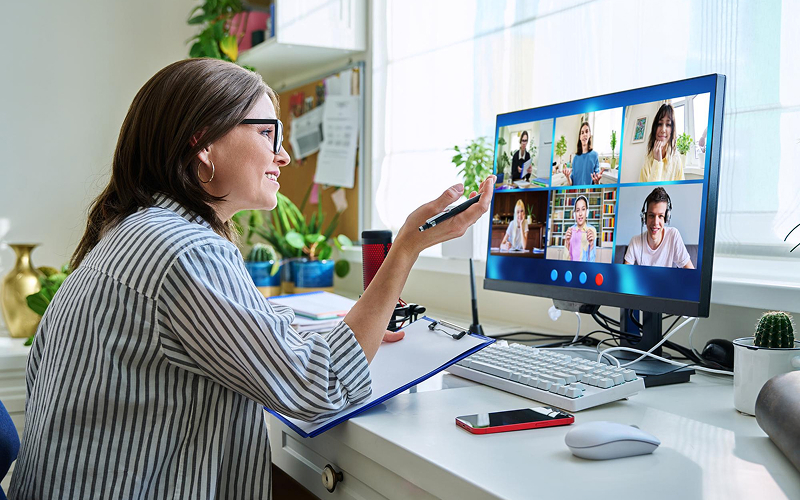
The evolution of the digital classroom is shaped less by individual technologies and more by the synergy between them in practice. The key is not simply what technology is installed, but how seamlessly it supports the daily rhythm of teaching and learning.
This shift does come with its considerations. Without proper integration, multiple tools can create fragmentation rather than clarity, which is why system design plays a critical role.
As institutions continue to invest in the digital transformation of their classrooms, the focus often shifts to balance. Systems must be flexible enough to adapt to changing needs, yet stable enough to provide reliable support without constant adjustment. When technology enhances the learning session, rather than competing for attention, it becomes easier for both educators and students to remain engaged.
When this balance is achieved, the learning experience becomes more cohesive. Lessons progress with fewer interruptions, learning extends beyond scheduled class time, and the technology itself fades into the background.
This is where a specialised AV partner can make a tangible difference. Media Architects works closely with education providers and organisations to design and implement integrated learning environments, combining system design, infrastructure, and user experience into solutions that withstand the demands of everyday use.
This includes planning system architecture, integrating AV and control systems, and ensuring consistent performance across hybrid and multi-site learning environments.
If you are looking to build or refine your classroom, speak with the Media Architects team to explore an approach that aligns with your teaching methods and your learners’ engagement styles, both now and as your needs evolve.
Related Pages
Other articles

September 18, 2026
Introduction: A Shift Towards Participatory Learning The classroom today feels different. It is no longer centred on a single voice at the front, with rows of students quietly listening. There...

September 17, 2026
Key Takeaways: Active learning with AI allows classrooms to respond in real time, enabling educators to tailor their teaching based on actual student engagement rather than assumptions. Intelligent systems reduce...

September 8, 2026
Key Takeaways: Multi-camera production enhances visual storytelling of an event from various viewpoints for a more dynamic and immersive experience for the audience. A well-integrated setup ensures consistent experiences across...

.svg)